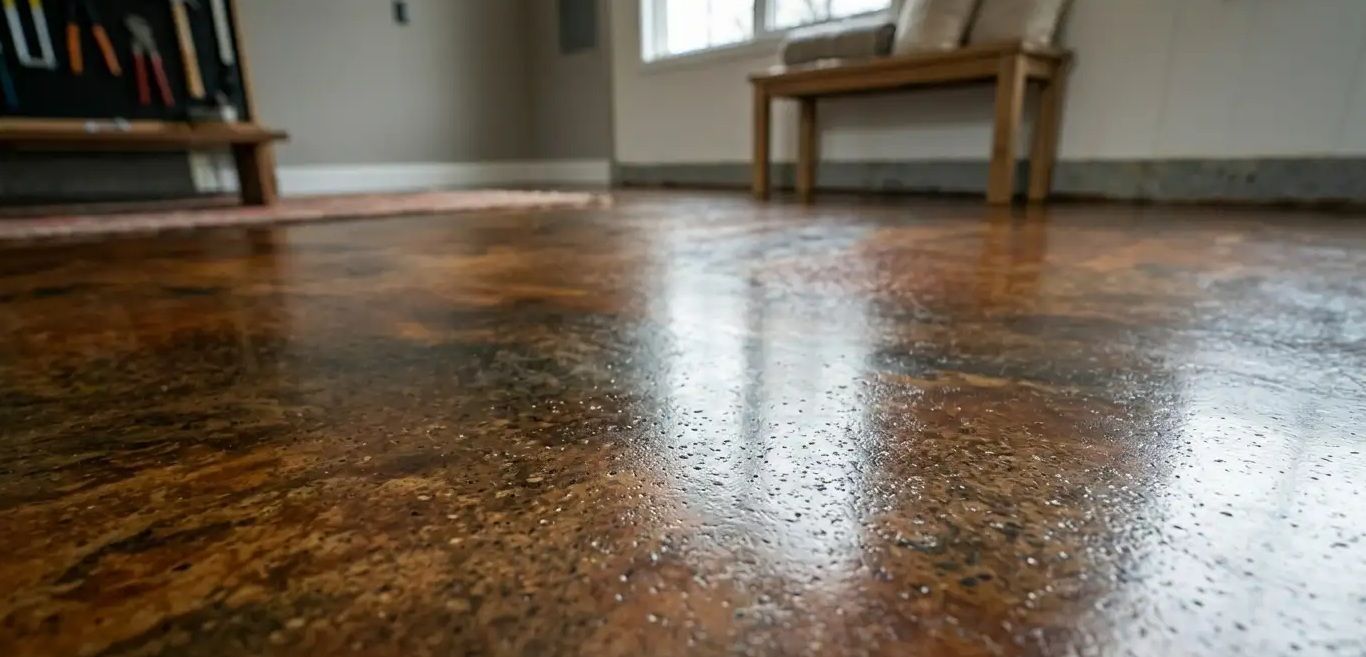
Concrete Coatings 101: Types, Benefits, and Ideal Applications
Types of concrete coatings include paint, penetrating sealers, epoxy, polyurea, and polyaspartic systems, each with different durability, adhesion chemistry, and performance profiles. For Minnesota homeowners, the coating type matters more than it does elsewhere. Freeze-thaw cycles, road salt, and extreme temperature swings punish the wrong choice fast. Ever Last Coating Specialties installs Valence polyurea/polyaspartic systems across southwest and central Minnesota.
Southwest Minnesota winters distinguish good concrete coatings from bad ones fast. Garage floors here can swing 80 to 100°F or more between a February night and a July afternoon, with road salt tracked in from November through March. Knowing which coating types handle that thermal stress is what separates a floor that lasts from one that peels by spring.
Paint and Penetrating Sealers: What They Do (and Don't)
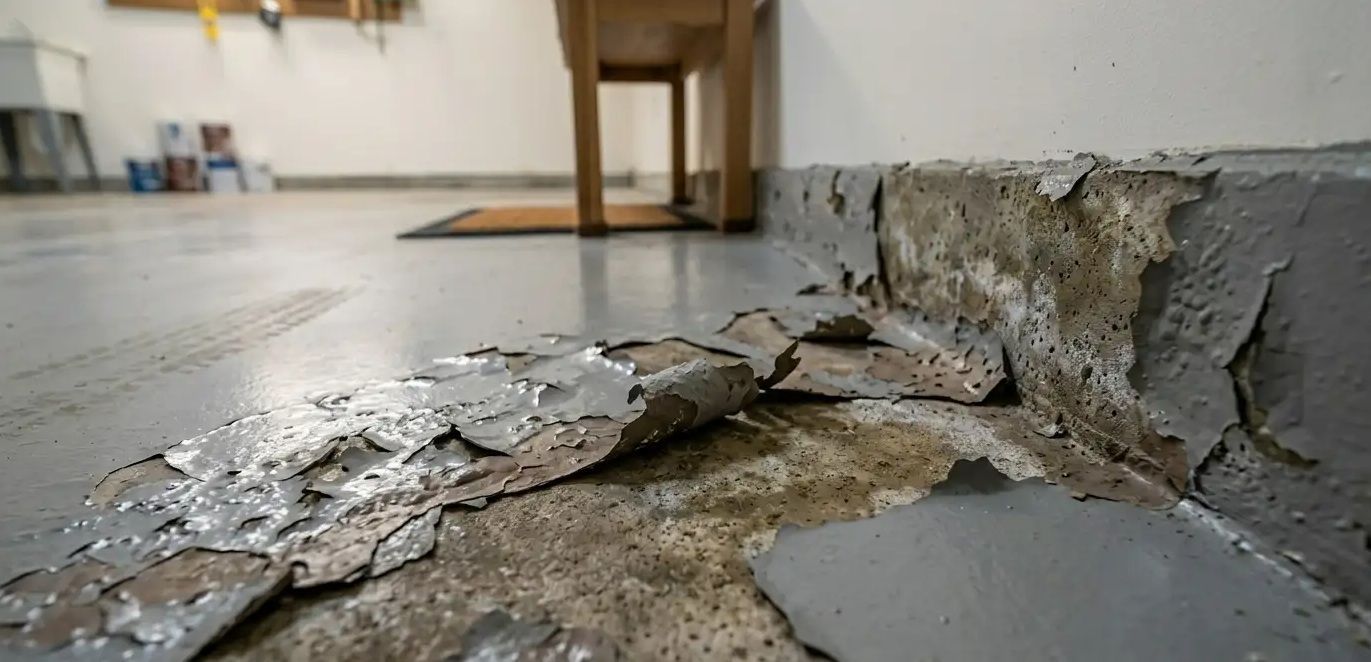
Paint and penetrating sealers are the entry-level options, and both have real limits. Paint sits on the surface as a thin film. It doesn't chemically bond to concrete, so moisture vapor moving through the slab pushes it loose from below. In unheated Minnesota garages, paint applications often peel within one to two seasons.
Penetrating sealers absorb into the concrete and reduce surface dusting. They're useful for utility basement floors with light foot traffic, but they won't hold up under vehicle tires or road salt.
Epoxy Coatings: Durable, But With a Catch for Minnesota Floors
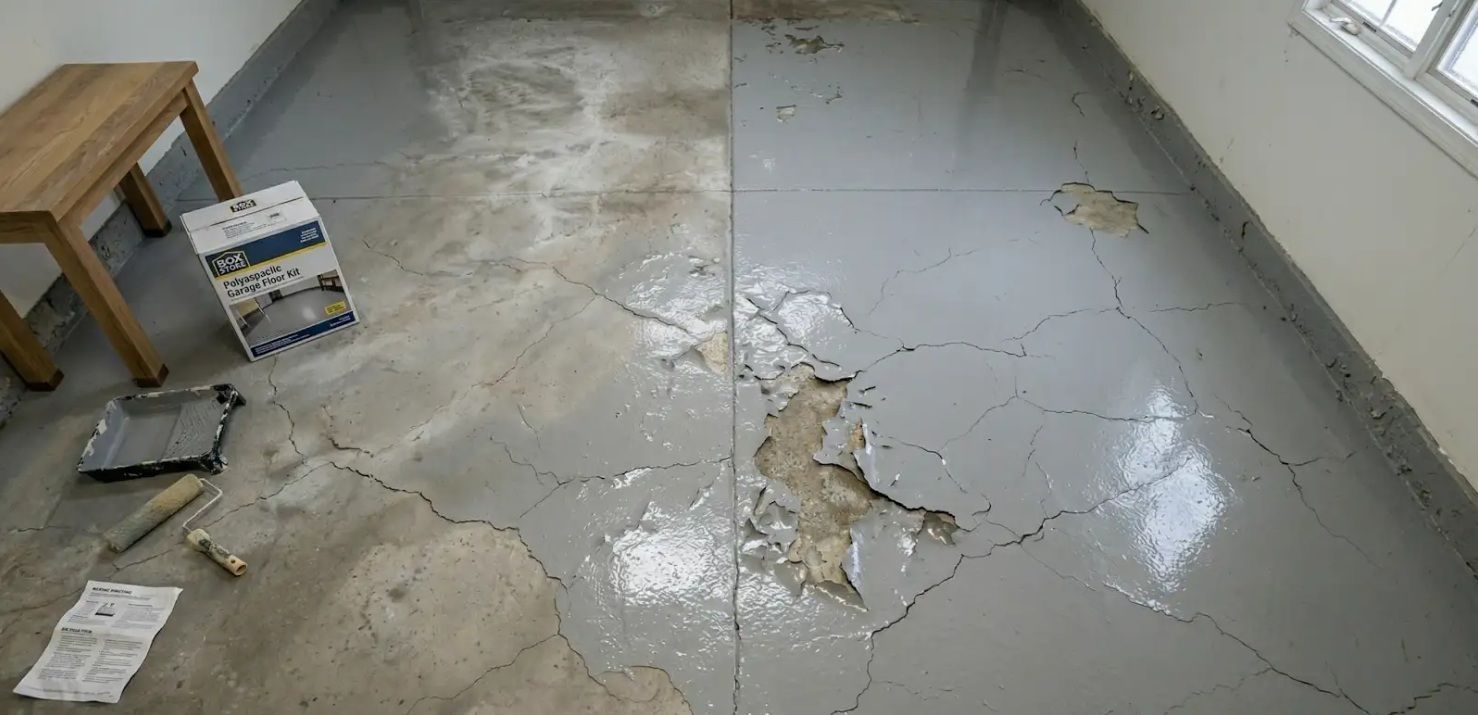
Epoxy became the default professional coating because it bonds chemically to concrete and creates a hard, abrasion-resistant layer that handles vehicle use well. In conditioned spaces with stable temperatures, it performs reliably.
The problem in Minnesota is rigidity. Concrete cycles through freeze and thaw dozens of times each season, stressing a rigid coating at the bond line. In unheated garages, that often produces micro-cracks, delamination, and peeling within three to five years. Consumer-grade epoxy kits accelerate the failure by skipping diamond grinding and moisture testing. Fine in October, bubbling by April.
Polyurea and Polyaspartic Coatings: Built for Freeze-Thaw Conditions
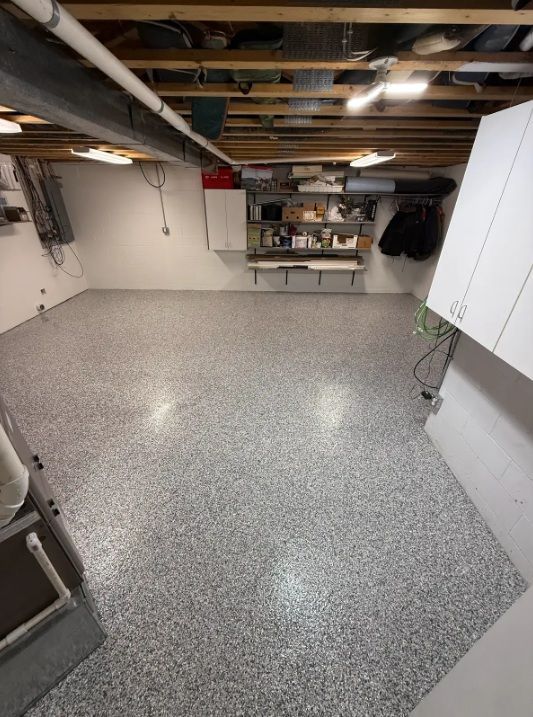
Polyurea and polyaspartic systems address epoxy's two core limitations: rigidity and cure speed. Polyurea is the flexible base layer. It moves with the concrete rather than fighting it. Polyaspartic, a subtype of polyurea, is the UV-stable topcoat that prevents yellowing near windows.
The Valence system we install is rated four times stronger than standard epoxy. For professional garage floor coatings in Minnesota, that flexibility matters most: the coating absorbs thermal stress rather than cracking. Cure takes six to eight hours. Most jobs are finished in a single day, with vehicles back inside the garage within 24 hours. The 15-year warranty against chipping, peeling, and delamination reflects that confidence, backed by diamond grinding and moisture testing before every application.
Choosing the Right Coating for Your Floor
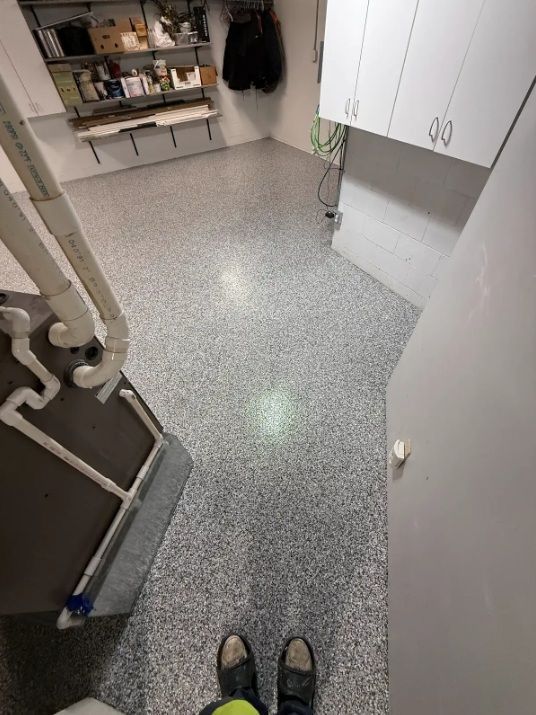
The right system depends on what the floor needs to handle:
- Garage floors: polyurea/polyaspartic for vehicle traffic, road salt, and temperature swings. Epoxy is a downgrade in this environment.
- Basement floors: polyurea/polyaspartic suits storage and finished living spaces. Basement floor coatings require the same moisture testing as garage work. Skip it and the coating fails.
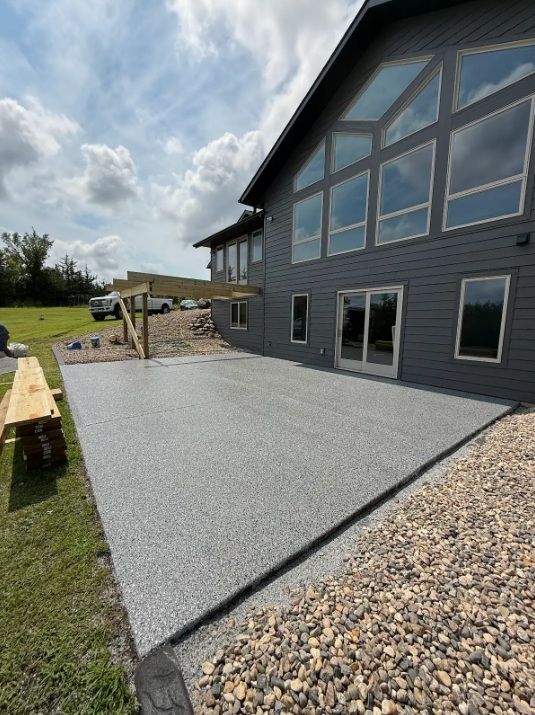
- Patio and outdoor surfaces: polyaspartic handles UV stability and slip resistance. Minnesota outdoor installations are scheduled seasonally around temperature requirements.
- Commercial and shop floors: industrial polyurea outperforms epoxy under heavy equipment, forklifts, and chemical exposure.
For homeowners across Willmar and surrounding southwest Minnesota, the right choice becomes clear after a thorough on-site assessment by Ever Last Coating Specialties.
Frequently Asked Questions
How long do concrete coatings last in Minnesota?
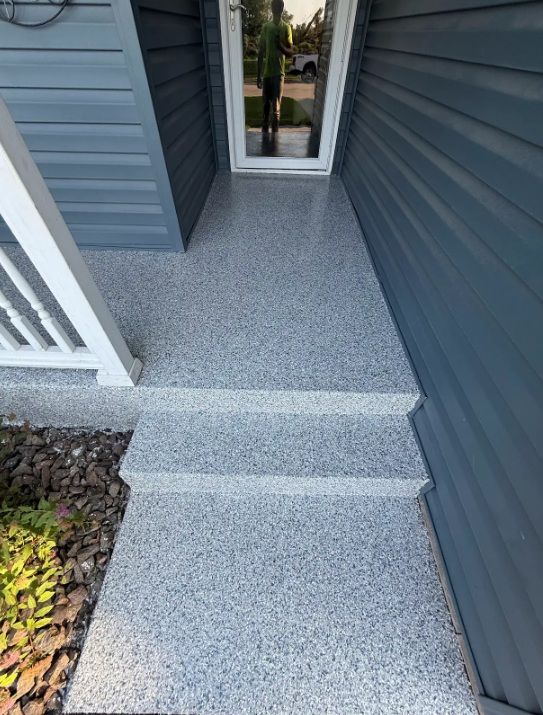
Polyurea and polyaspartic coatings installed with proper surface preparation carry a 15-year warranty and are engineered to perform long-term in Minnesota garages. Standard epoxy in unheated garages often shows delamination within three to five years because freeze-thaw cycles stress a rigid coating at the bond line. Surface prep quality at installation is the biggest driver of long-term performance.
Is professional concrete coating worth it compared to a DIY epoxy kit?
Professional installation costs more upfront but covers what DIY kits skip: diamond grinding and moisture vapor testing. Without those steps, no coating bonds reliably. Ever Last Coating Specialties installs a Valence polyurea/polyaspartic system rated four times stronger than standard epoxy—a different product category from what's available at a hardware store.
Can concrete coatings be applied to basement floors with moisture problems?
Yes, but moisture testing must come first. Concrete transmits moisture vapor upward, and coating a slab with high vapor emission causes adhesion failure from below. The coating lifts rather than bonds. Testing identifies the vapor emission rate and confirms whether the slab is ready. Most older Minnesota basement slabs benefit from this step.
The Right Coating Starts With the Right Assessment
Knowing the coating types is step one. The on-site assessment matches the right system to your floor's actual conditions: moisture levels, how the space is used, and what Minnesota winters throw at it. Mason and Jason Rongstad walk every floor before recommending anything, and that visit is free. Get a free quote to get started.
Recent Posts